


Types of Solar Systems in Pakistan - UPDATED 2025
Understanding Solar Systems in Pakistan – Why Choice Matters
Off-Grid Solar System – When You Want Zero Dependence on WAPDA
How Off-Grid Systems Work in Real Life
Advantages of Off-Grid Solar Systems
Disadvantages (Very Important to Understand)
3. On-Grid Solar System – The Best Choice for Maximum Savings
How On-Grid Solar Systems Work
Advantages of On-Grid Solar Systems
4. Hybrid Solar System – The Most Balanced Option
Advantages of Hybrid Solar Systems
5. Solar System Prices in Pakistan – What You Should Really Expect
Approximate Residential Solar Prices
Battery Cost (Hybrid / Off-Grid)
6. Best Solar Panel Brands Available in Pakistan
7. Things Solar Companies Often Don’t Explain Clearly
8. What Famous People Say About Solar Energy
9. Environmental and National Benefits of Solar in Pakistan
Frequently Asked Questions (FAQs)
Which solar system is best for homes in Pakistan?
Is off-grid solar good for cities?
Can solar systems be upgraded later?
How long does installation take?
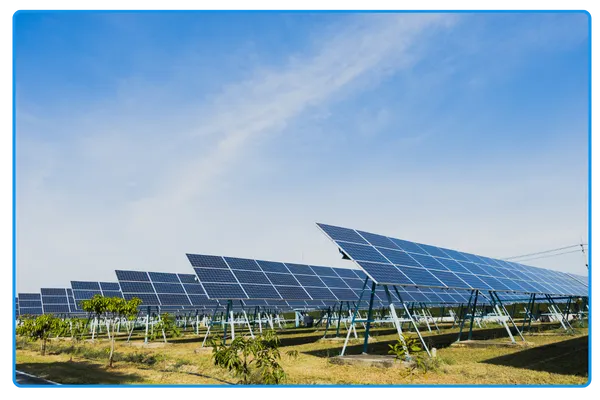
Solar energy adoption in Pakistan is growing rapidly, but many people still feel confused when solar companies start using terms like on-grid, off-grid, hybrid, net metering, battery backup, and load management. This confusion often leads to wrong system selection, which later causes dissatisfaction.
The reality is simple:
Solar works extremely well in Pakistan—but only when the right system is chosen for the right purpose.
Pakistan has:
High electricity tariffs
Frequent load-shedding in many areas
Abundant sunlight (5–6 peak sun hours daily
Because of these conditions, solar systems are designed differently depending on whether the user wants:
Maximum bill reduction
Backup during power outages
Complete independence from the grid
That’s why solar companies in Pakistan offer different system types, each solving a specific problem.
Off-Grid Solar System – When You Want Zero Dependence on WAPDA
An off-grid solar system is designed for people who either do not have access to grid electricity or cannot rely on it at all. This system operates completely independently using solar panels and batteries.
Off-grid systems are commonly installed in:
Rural villages
Farms and agricultural lands
Remote houses
Areas with no WAPDA connection
How Off-Grid Systems Work in Real Life
During the daytime, solar panels generate electricity. This electricity is used to run appliances and charge batteries. At night, stored battery power supplies electricity.
Advantages of Off-Grid Solar Systems
Complete energy independence
Works even during long power outages
No monthly electricity bills
Ideal for remote and rural areas
Disadvantages (Very Important to Understand)
High initial cost due to large battery banks
Limited power usage (load control is necessary)
Battery replacement required every few years
Not suitable for heavy AC-based urban usage
Who should choose off-grid?
People without grid access or those who want absolute independence.
Who should avoid it?
City homes with grid electricity—off-grid systems are not cost-effective there.
On-Grid Solar System – The Best Choice for Maximum Savings
The on-grid solar system is the most widely installed solar system in Pakistan. It is directly connected to the national grid and works with net metering.
This system focuses on reducing electricity bills, not providing backup.
How On-Grid Solar Systems Work
During the day, solar panels generate electricity. Your home or business uses this power first. Any extra electricity is exported to the grid. At night, you use grid electricity, and units are adjusted through net metering.
Advantages of On-Grid Solar Systems
Lowest installation cost
Maximum bill savings
No batteries required
Faster return on investment
Minimal maintenance
Disadvantages (Must Be Clear)
Solar shuts down during load-shedding
No backup power
Requires net metering approval
Best for:
Urban homes, offices, and businesses with stable grid supply.
Main goal:
Reducing electricity bills as much as possible.
Hybrid Solar System – The Most Balanced Option
A hybrid solar system combines solar panels, batteries, and grid connection. It offers both savings and backup, which is why many homeowners now prefer it.
Hybrid systems are especially useful in areas where:
Load-shedding is unpredictable
Grid voltage fluctuates
Backup power is essential
How Hybrid Systems Work
Solar panels power appliances during the day. Excess electricity charges batteries or is exported to the grid. During load-shedding, batteries automatically provide backup.
Advantages of Hybrid Solar Systems
Electricity during load-shedding
Supports net metering
Reduced generator usage
Flexible energy management
Disadvantages
Higher cost than on-grid systems
Battery replacement required
More complex system design
Best for:
Homes and offices needing backup plus savings.
Solar System Prices in Pakistan – What You Should Really Expect
Solar system prices in Pakistan depend on system type, capacity, brands, and installation quality. Cheap quotes often hide poor equipment or unsafe wiring.
Approximate Residential Solar Prices
3kW system: PKR 650,000 – 850,000
5kW system: PKR 1,000,000 – 1,300,000
7kW system: PKR 1,400,000 – 1,700,000
10kW system: PKR 1,900,000 – 2,400,000
Battery Cost (Hybrid / Off-Grid)
Additional PKR 300,000 – 800,000, depending on battery type
Important Tip:
Always ask for a complete quotation including:
Panels
Inverter
Structure
Wiring
Protection devices
Installation
Net metering support
Best Solar Panel Brands Available in Pakistan
Solar panels determine long-term performance. Most reliable solar companies use Tier-1 panels.
Trusted Solar Panel Brands
Longi Solar – High efficiency
JA Solar – Stable performance
Jinko Solar – Global leader
Canadian Solar – Durable panels
Trina Solar – Value for money
ZNShine Solar – Budget Tier-1 option
Good panels last 25–30 years, so never compromise quality for a lower price.
Things Solar Companies Often Don’t Explain Clearly
Many problems arise after installation because people weren’t informed properly.
Important things to ask before installation:
Is earthing and surge protection included?
Is the structure rust-resistant?
Can the system be expanded later?
What is inverter warranty and service support?
Who handles net metering documentation?
A good solar system is not just panels it’s engineering, safety, and planning.
What Famous People Say About Solar Energy
Visionaries recognized solar’s potential long before it became mainstream.
Thomas A. Edison once said:
“I’d put my money on the sun and solar energy. What a source of power!”
Today, this statement perfectly reflects reality in Pakistan. With rising fuel costs and energy shortages, solar power is no longer a luxury—it’s a smart survival strategy.
Environmental and National Benefits of Solar in Pakistan
Beyond personal savings, solar energy benefits the country:
Reduces air pollution and smog
Lowers carbon emissions
Decreases fuel imports
Reduces pressure on national power plants
Each solar installation contributes to a cleaner and more energy-secure Pakistan.
Frequently Asked Questions (FAQs)
Which solar system is best for homes in Pakistan?
On-grid for savings, hybrid for backup + savings.
Is off-grid solar good for cities?
No, it is costly and unnecessary where grid electricity exists.
Can solar systems be upgraded later?
Yes, with proper planning and compatible inverters.
How long does installation take?
3–7 days; net metering may take 1–3 months.
Do solar panels work in winter?
Yes, production is slightly lower but still effective.
Conclusion
Understanding the types of solar systems offered by companies in Pakistan empowers people to make smart, informed decisions. Solar is a long-term investment, and the right system choice determines whether you enjoy savings or face frustration.
With the right planning, quality equipment, and experienced installers, solar energy can provide reliable, affordable electricity for decades.