



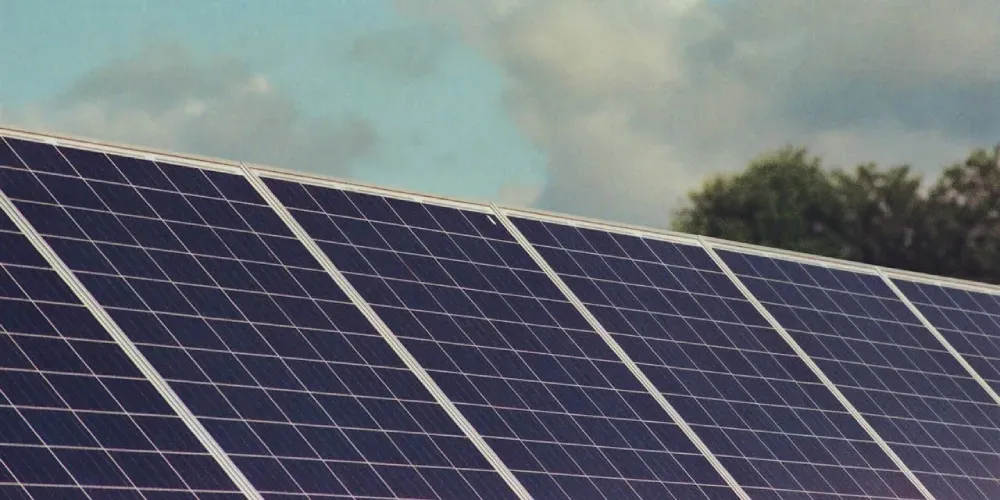
The Benefits of Installing Solar in Pakistan
Major Benefits of Installing a Solar System in Pakistan
1. Lower Electricity Bills and Long-Term Savings
2. Protection Against Rising Electricity Tariffs
3. Reliable Power Supply and Reduced Grid Dependence
4. High Return on Investment (ROI)
Low Maintenance and High Durability
Types of Solar Systems in Pakistan (Grid-Wise Explanation)
How to Calculate How Much Solar Power You Need
Simple Formula for System Sizing
Want Maximum Savings? Install Net Metering
Benefits of Net Metering in Pakistan
Net Metering Pricing in Pakistan
Typical Net Metering Cost Range
What Famous People Say About the Benefits of Solar Energy
Climatic and Environmental Benefits of Solar Systems
Frequently Asked Questions (FAQs)
Is solar worth installing for small homes?
Can solar run heavy appliances like ACs and motors?
Does solar work in winter or cloudy weather?
Solar power is becoming popular in Pakistan because it directly addresses the country’s energy crisis. Over the past few years, electricity tariffs have increased rapidly, while load-shedding and low voltage remain common in many cities. For most households and businesses, monthly electricity bills have become unpredictable and difficult to manage.
Pakistan is naturally suited for solar energy. Most regions receive abundant sunlight throughout the year, averaging 5 to 6 peak sun hours per day. This means solar systems can generate electricity consistently, even in winter. Unlike fossil fuels, sunlight is free, unlimited, and locally available.
Another major reason behind solar’s popularity is financial awareness. People now see solar as an investment rather than an expense. A properly designed solar system allows users to control their energy costs for decades instead of relying on ever-increasing utility rates. Businesses, in particular, use solar to stabilize operating costs and remain competitive.
Government policies such as net metering, along with better availability of solar equipment and installers, have also made solar more accessible than ever before.
Major Benefits of Installing a Solar System in Pakistan
1. Lower Electricity Bills and Long-Term Savings
The most immediate and noticeable benefit of solar installation is a significant reduction in electricity bills. Depending on system size and usage, solar can reduce 60% to 100% of monthly electricity costs. Homes with net metering often see minimal bills, even when using air conditioners heavily in summer.
Over time, these monthly savings add up to lakhs of rupees, making solar a financially sound decision.
2. Protection Against Rising Electricity Tariffs
Electricity prices in Pakistan are highly unstable and tend to increase every year due to fuel costs, capacity payments, and economic pressures. Once a solar system is installed, your electricity generation cost becomes fixed. This protects you from future price hikes and gives long-term financial certainty.
3. Reliable Power Supply and Reduced Grid Dependence
Solar systems provide stable electricity during daytime hours when usage is usually highest. Hybrid and off-grid systems also provide backup during load-shedding, reducing dependence on generators and UPS systems.
For businesses, this reliability prevents operational disruptions and production losses.
4. High Return on Investment (ROI)
Most residential solar systems recover their initial cost within 3 to 5 years, while commercial systems often recover even faster due to higher electricity consumption. Since solar panels typically last 25 to 30 years, users enjoy free or very low-cost electricity for most of the system’s life.
Low Maintenance and High Durability
Solar systems have very few moving parts, which means lower chances of mechanical failure. Regular panel cleaning and occasional inspections are usually enough to maintain performance. Compared to generators or other power solutions, maintenance costs are minimal.
Types of Solar Systems in Pakistan (Grid-Wise Explanation)
Understanding system types helps users choose the right setup based on their needs.
On-Grid Solar System
On-grid systems are connected directly to the national electricity grid. They do not include batteries and rely on net metering to export excess electricity.
These systems are ideal for:
Homes in cities
Areas with stable grid supply
Users focused on maximum bill reduction
However, on-grid systems stop working during load-shedding for safety reasons.
Hybrid Solar System
Hybrid systems combine solar panels, batteries, and grid connection. They store excess energy in batteries and also allow net metering.
Best suited for:
Areas with frequent load-shedding
Homes needing backup power
Users who want flexibility
Hybrid systems cost more than on-grid systems due to batteries but offer greater reliability.
Off-Grid Solar System
Off-grid systems operate independently of the grid and rely entirely on batteries.
Best for:
Rural or remote areas
Farms and agricultural applications
Locations without grid access
These systems require larger battery banks and higher upfront investment.
How to Calculate How Much Solar Power You Need
Choosing the right system size is critical for achieving maximum savings.
Simple Formula for System Sizing
Monthly Units ÷ 30 ÷ 4.5 = Required Solar System Size (kW)
Example:
If your monthly electricity usage is 1,050 units
1,050 ÷ 30 = 35 units/day
35 ÷ 4.5 ≈ 7.7kW system
Practical System Size Guide
300–400 units → 3kW
500–700 units → 5kW
800–1,000 units → 8–10kW
1,200+ units → 12kW or above
Factors like roof space, appliance usage, and future expansion should also be considered.
Want Maximum Savings? Install Net Metering
Net metering allows your solar system to interact intelligently with the national grid. During the day, excess electricity produced by your system is exported to the grid instead of being wasted.
At night or during low solar production, you import electricity from the grid, and the units are adjusted against what you exported earlier. This mechanism significantly improves the financial performance of solar systems.
Benefits of Net Metering in Pakistan
Net metering offers multiple advantages:
Maximum utilization of solar power
Faster return on investment
No need for oversized battery systems
Reduced electricity bills throughout the year
Environment-friendly contribution to the grid
For most urban users, net metering is the key factor that makes solar financially attractive.
Net Metering Pricing in Pakistan
Net metering involves some additional upfront cost, which varies by city and distribution company (DISCO).
Typical Net Metering Cost Range
PKR 150,000 to 250,000
This includes:
Bi-directional meter
Application and documentation
Testing and approval charges
Despite the cost, net metering usually recovers its expense within 1 to 2 years through additional savings.
What Famous People Say About the Benefits of Solar Energy
Visionaries recognized the importance of solar energy long before it became mainstream.
Thomas A. Edison famously said:
“I’d put my money on the sun and solar energy. What a source of power!”
This statement reflects the long-term value of solar power. Today, modern solar systems make Edison’s vision practical by offering affordable, clean, and reliable electricity to millions of users worldwide.
Climatic and Environmental Benefits of Solar Systems
Solar energy plays a vital role in addressing Pakistan’s environmental challenges.
By shifting to solar, users help:
Reduce carbon emissions
Lower air pollution and smog
Decrease reliance on imported fuels
Reduce stress on national power plants
With climate change causing extreme heat, floods, and air quality issues, solar energy supports a cleaner and more sustainable future.
Conclusion
Installing solar in Pakistan is no longer just a cost-saving option it is a strategic decision. With rising electricity prices, frequent load-shedding, and abundant sunlight, solar provides financial stability, energy security, and environmental benefits.
By selecting the right system type, accurately calculating capacity, and using net metering, homes and businesses can enjoy reliable electricity and long-term savings for decades.
Frequently Asked Questions (FAQs)
Is solar worth installing for small homes?
Yes. Even 3kW systems can significantly reduce bills for small households.
Can solar run heavy appliances like ACs and motors?
Yes, provided the system is sized correctly and supported by grid or batteries.
Does solar work in winter or cloudy weather?
Yes, production reduces slightly but systems remain effective year-round.
How long does it take to install a solar system?
Installation usually takes 3–7 days, excluding net metering approval time.
What is the lifespan of a solar system?
Panels last 25–30 years, making solar a long-term solution.