



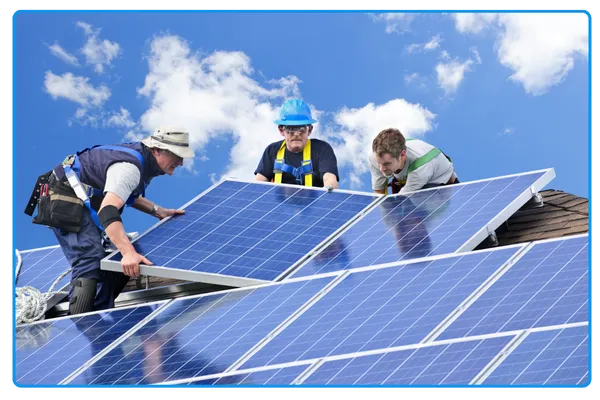
How to Clean Solar Panels Without Doing Any Damage
Solar panel cleaning is simple until someone scratches panels, shocks themselves, or causes micro-cracks by using the wrong tools. Clean panels produce more electricity; dirty panels lose output. This guide explains when to clean, how to clean safely, which cleaning agents to use, cost expectations in Pakistan, common mistakes to avoid, and new techniques like robots and waterless cleaning.
When to Clean Solar Panels
Cleaning frequency depends on your location, weather, and how dirty the panels get. There’s no single rule, but these practical ranges work for most places in Pakistan:
Coastal (Karachi, Thatta): every 1–3 months — salt spray builds up and reduces efficiency.
Dusty/arid (Sukkur, Bahawalpur, southern Punjab): monthly or after dust storms.
Urban (Lahore, Islamabad, Rawalpindi): every 3 months typically, more if bird droppings are common.
Rainy/monsoon areas: 2–4 times a year — heavy rain washes some dust but can leave residues.
Farms/near fields: every 1–2 months — pollen, dust and farm debris accumulate.
Also clean after visible soiling events: heavy dust storms, construction dust, bird droppings on multiple panels, or sticky residues (pollen, tree sap). If you monitor production and see a sudden unexplained drop (5–10%+), dirty panels are a likely cause.
How to Clean Solar Panels — Step-by-Step (Safe Method)
Follow a cautious routine that protects both you and the panels. If your panels are on a high or steep roof, hire professionals.
Turn off the system / isolate — if you can safely isolate or follow your installer’s shutdown instructions. This avoids electrical hazards and reduces risk during cleaning.
Choose a cool time — early morning or late afternoon. Avoid cleaning hot panels; sudden cooling (cold water on very hot glass) can stress the glass and adhesives.
Remove loose debris — use a soft broom or blow with low-pressure air (not high-pressure) to remove leaves and large dust.
Wet cleaning — use deionized or filtered water with a mild, non-abrasive detergent (a few drops of dish soap). Gently wipe with a soft sponge or soft brush attached to a long pole. Rinse thoroughly.
Squeegee finish — use a rubber squeegee on angled panels to avoid streaks. Avoid abrasive pads or scouring powder.
Dry & inspect — let panels dry, then inspect for scratches, cracks or loose clamps. Note any damage for professional service.
If you are not comfortable on your roof or the system requires isolation by an electrician, call a reputable solar panel cleaning service near you.
Cleaning Agents That Are Safe for Solar Panels
Use only gentle, non-abrasive cleaners. Harsh chemicals can damage anti-reflective coatings and seals.
Safe: Deionized (DI) water; filtered water; mild dish soap (a few drops); specialized solar panel cleaning solutions (pH neutral).
Avoid: Abrasive cleaners, strong acids/alkalis, bleach, solvents, high-alcohol cleaners, gritty scrubs.
Tip: DI water reduces mineral spotting. If DI water is unavailable, rinse well with clean tap water after washing.
How Location & Climate Change Cleaning Frequency
Location determines what dirt you fight: salt, dust, pollen, soot, bird droppings, or agricultural residues.
Salt (coastal): Frequent rinsing to avoid salt crystals that corrode mounts and reduce transmission.
Dust / sand (arid): Fine dust can build into a film; monthly cleaning is usually necessary.
Pollen / organic: Spring/summer increases sticky residues — spot clean when needed.
Pollution / smog (industrial cities): Heavy grime may form residues needing better detergents and more frequent cleaning.
Seasonality matters: after dusty winter months or pre-monsoon dust storms, schedule a clean to restore efficiency.
Techniques to Clean Solar Panels (Pros & Cons)
Manual soap & water (soft brush/sponge)
Pros: Cheap, effective, low-tech.
Cons: Requires ladders/roof access; risk if done unsafely.
Waterless vibration / electrostatic dust removal
Pros: Low water use; good for large arrays in water-scarce areas; minimizes roof access.
Cons: Specialized equipment; limited availability in Pakistan; may not remove sticky residues.
Robotic cleaners (autonomous scrubbers)
Pros: Great for large commercial installations, consistent cleaning, saves labor.
Cons: High initial cost; better suited to large plants than residential roofs.
Dusting / low-pressure air blowers
Pros: Good for light dust, quick, waterless.
Cons: Not effective on sticky dirt or bird droppings; may only be a temporary fix.
High-pressure washers (NOT recommended)
Risk of damaging seals and creating micro-cracks. Avoid for rooftop PV.
Solar Panel Cleaning Cost (Hiring Professional Companies in Pakistan)
Costs vary by city, roof accessibility, system size and cleaning method. Below are approximate ranges to help homeowners budget (prices change over time — ask local providers for quotes):
Per visit for a typical residential system (3–5kW): PKR 1,500 – 6,000 per visit.
Per panel rate (simple wash): PKR 200 – 500 per panel (depends on panel location & roof safety).
Commercial utility-scale arrays: Quoted per kW or per hectare; robotic or mechanized cleaning adds cost but lowers long-term labor.
One-time deep clean (stains, bird droppings): higher than routine washes — expect an extra premium.
Factors that raise cost: difficult roof access, safety equipment, scaffolding, hard-to-remove residues, DI water use, or after-hours service. Always get itemized quotes and ask if the service includes inspection and reporting on panel condition.
What to Use: Recommended Solar Panel Cleaning Kit (Home Use)
Long-handled soft brush or soft sponge (non-abrasive)
Rubber squeegee with extension pole
Bucket with DI or filtered water + few drops mild dish soap
Ladder + roof harness and safety gear (if working on roof)
Soft microfiber cloth for edges and inverter clean-up
Low-pressure garden hose for rinsing
If you’re not comfortable working at heights, hire a trusted solar panel washing service near you.
Benefits of Regular Solar Cleaning
Restores lost energy production (soiling can reduce output by 5–25% or more depending on conditions).
Improves return on investment: cleaner panels mean higher daily yield and faster payback.
Extends system life by preventing corrosive build-up and overheating.
Allows early detection of damage (micro-cracks, loose clamps) during inspection.
Common Mistakes That Damage Solar Panels
Using abrasive pads or scrubbing powders (scratches anti-reflective coating).
High-pressure washing (can force water into seals).
Cleaning midday when panels are hot (thermal stress).
Standing or stepping on panels (can crack cells).
Not isolating electrical components when required.
Using hard water only (mineral spots) without a proper rinse.
Avoid shortcuts that risk a small cleaning bill turning into expensive repairs.
When to Call Professionals
Hire professionals when:
Panels are on steep or high roofs and require harness/scaffolding.
You notice sudden drops in production that simple cleaning doesn’t fix.
There are sticky, oily, or corrosive residues (eg. industrial fallout, bird droppings on many panels).
You want a full system inspection, earthing check, and performance report along with cleaning.
A reputable solar cleaning service will provide inspection, safe cleaning, and a short performance check after service.
Conclusion
Cleaning solar panels is one of the highest-return maintenance tasks you can do. The aim is not to scrub every week but to clean smart: monitor production, schedule according to climate, use gentle tools, and hire professionals when safety or stubborn residues are involved. Regular, correct cleaning protects your investment and keeps panels producing efficiently for decades.
Frequently Asked Questions (FAQs)
Q: Can I use plain tap water to wash solar panels?
A: Yes for rinsing, but filtered or DI water reduces mineral spots. Rinse well if you only have tap water.
Q: How much energy loss comes from dirty panels?
A: It depends — light dust may cause 5–10% loss; heavy soiling and bird droppings can cause 20% or more.
Q: Is it safe to clean panels myself on the roof?
A: Only if you have proper safety gear and experience. Otherwise hire a trusted cleaning service.
Q: Do cleaners damage anti-reflective coatings?
A: Harsh chemicals and abrasive tools can. Use mild soap and soft sponges.
Q: How long does a professional clean take?
A: For a residential system, 1–3 hours typically; larger commercial jobs take longer or use robots.
Q: Do robots make sense for homes?
A: Generally no, robotic cleaners pay off for large commercial arrays, not small residential rooftops.
Q: Will rain clean my panels?
A: Light rain may help but can leave residues. Heavy rain after a dusty period may not clean thoroughly.
Q: How often should commercial sites clean panels?
A: Commercial sites in dusty areas may clean monthly; coastal or very dusty regions may need similar frequency.
PEOPLE ALSO SEARCH FOR:
solar panel cleaning
how to clean solar panels
solar panel cleaning service near me
clean solar
cleaning solar panels on roof
solar panel cleaning cost
how do you clean solar panels
solar panel washing service
how do i clean solar panels
how to clean pv panels
how do you wash solar panels
how do you clean a solar panel
how to clean photovoltaic panels
solar panel cleaning kit
how to wash solar panels
how to clean solar panels at home
solar clean
solar power cleaning
solar plate cleaner